In the heart of some of the world's most arid landscapes, a quiet revolution is taking place. Seed banks dedicated to preserving the genetic diversity of desert plants are emerging as modern-day arks, safeguarding life against the twin threats of climate change and human encroachment. These specialized repositories are not merely storage facilities but active research centers where scientists work tirelessly to understand and protect species that thrive in extreme conditions.
The concept of seed banking is not new, but its application in desert regions presents unique challenges and opportunities. Unlike temperate climates where seeds can often be stored with relative ease, desert plants have evolved complex survival mechanisms that require specialized conservation approaches. From the Sonoran Desert to the Sahara, these banks are becoming critical tools in the fight to maintain biodiversity in ecosystems that are often overlooked.
What makes desert seed banks particularly remarkable is their focus on species that have developed extraordinary adaptations to harsh environments. Some seeds can remain viable for decades while waiting for rare rainfall events. Others possess genetic traits that allow them to withstand temperature fluctuations that would kill most other plants. By preserving these unique biological blueprints, scientists hope to unlock solutions for food security, medicinal breakthroughs, and climate resilience.
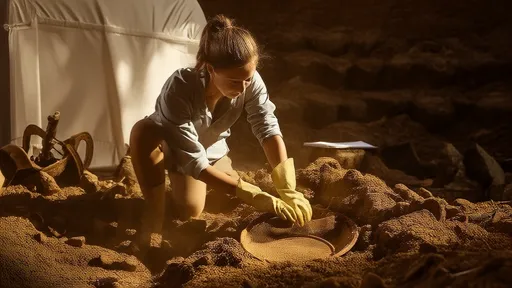
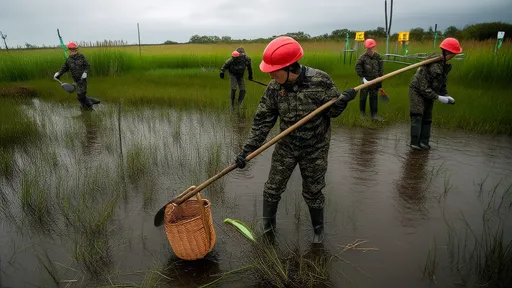
The process of collecting seeds in desert environments is an adventure in itself. Teams of botanists and local experts embark on carefully timed expeditions, often covering vast distances to reach isolated populations of plants. Timing is crucial - collectors must arrive after flowering but before seeds are dispersed by wind or animals. In some cases, researchers return to the same location for several years before successfully obtaining viable seeds from particularly rare species.
One of the most pressing challenges facing desert seed banks is the rapid pace of environmental change. Many desert regions are experiencing shifts in precipitation patterns and increased temperatures that are outpacing the ability of some plants to adapt. This makes the work of seed banks even more urgent, as they race against time to preserve genetic material that might otherwise be lost forever. Some institutions are now focusing on "climate-proofing" their collections by prioritizing species most vulnerable to these changes.
Beyond preservation, these seed banks serve as living laboratories where researchers study the remarkable adaptations of desert flora. Scientists are particularly interested in how certain plants can survive extreme dehydration, a trait that could have important implications for agriculture in water-scarce regions. Other studies focus on the symbiotic relationships between desert plants and soil microbes, relationships that are often crucial for seed germination in nutrient-poor environments.
The global network of desert seed banks represents a fascinating collaboration between Western science and traditional ecological knowledge. Many institutions work closely with indigenous communities who have cultivated deep understanding of desert plants over generations. This partnership not only improves collection strategies but also helps ensure that conservation efforts respect cultural practices and local needs. In some cases, seed banks have become centers for knowledge exchange, where modern scientists and traditional healers share insights about plant properties and uses.
Technology plays an increasingly important role in the operation of modern desert seed banks. Advanced imaging systems help analyze seed viability without damaging precious samples. Database systems track complex information about each specimen's origin, germination requirements, and genetic characteristics. Some facilities are experimenting with cryopreservation techniques for species whose seeds cannot be preserved using conventional methods. These technological advances are making it possible to conserve an ever-wider range of desert biodiversity.
Education and outreach have become central components of many desert seed bank programs. Recognizing that conservation requires public support, many institutions have developed innovative ways to engage local communities and international audiences alike. From citizen science projects that involve schools in monitoring local plant populations to artist residencies that interpret the banks' work through creative mediums, these initiatives are building broader appreciation for desert ecosystems. Some seed banks have even incorporated their facilities into ecotourism programs, offering visitors a chance to see conservation in action.
The economic potential of desert plants is another area of growing interest. Many species preserved in these banks have untapped commercial value, whether as sources of novel compounds for pharmaceuticals, drought-resistant crops for agriculture, or ornamental plants for horticulture. Seed banks are increasingly working with entrepreneurs and researchers to explore sustainable commercialization pathways that could provide economic incentives for conservation while benefiting local communities.
Looking to the future, desert seed banks face both exciting opportunities and significant challenges. As climate change intensifies, the demand for resilient plant species will likely increase, potentially elevating the importance of these collections. However, funding remains a persistent concern, with many operations relying on short-term grants rather than sustainable financing models. There are also ongoing debates about how best to balance preservation with access, ensuring that stored seeds are available for research and restoration while being protected for future generations.
Perhaps most importantly, these seed banks represent a profound statement of hope. In preserving the genetic diversity of desert plants, humanity is acknowledging both the fragility and resilience of life in Earth's most challenging environments. Each tiny seed stored in climate-controlled vaults carries not just the potential for new plant life, but also lessons about adaptation, survival, and our relationship with the natural world. As deserts expand due to climate change and land use changes, these living libraries may prove to be among our most valuable resources for creating a more sustainable future.

By /Jul 16, 2025
By /Jul 16, 2025
By /Jul 16, 2025

By /Jul 16, 2025

By /Jul 16, 2025
By /Jul 16, 2025

By /Jul 16, 2025
By /Jul 16, 2025
By /Jul 16, 2025

By /Jul 16, 2025

By /Jul 16, 2025

By /Jul 16, 2025
By /Jul 16, 2025
By /Jul 16, 2025

By /Jul 16, 2025

By /Jul 16, 2025

By /Jul 16, 2025

By /Jul 16, 2025

By /Jul 16, 2025

By /Jul 16, 2025
