The concept of digital nomadism has taken the world by storm, reshaping how we perceive work and travel. In response to this growing trend, cities around the globe are adapting by creating spaces that cater to the needs of these location-independent professionals. One such innovative initiative is the Digital Nomad Police Station, a municipal space offering free co-working facilities to remote workers. This forward-thinking approach not only supports the digital nomad community but also revitalizes underutilized urban areas.
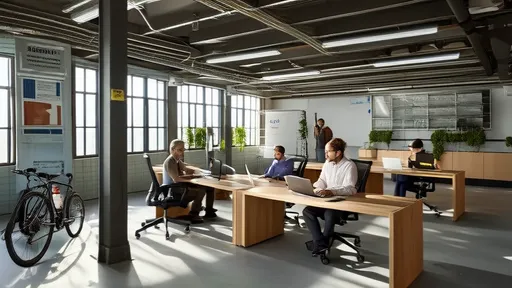
Located in the heart of the city, the Digital Nomad Police Station is a repurposed former police station that now serves as a vibrant hub for freelancers, entrepreneurs, and remote employees. The space features high-speed internet, ergonomic workstations, and meeting rooms—all available at no cost. By transforming a disused civic building into a dynamic workspace, the city has demonstrated its commitment to fostering innovation and inclusivity.
The idea behind this initiative is simple yet powerful: to provide a welcoming environment for digital nomads who often struggle to find reliable workspaces while on the move. Unlike traditional co-working spaces that require membership fees, this municipal project removes financial barriers, making it accessible to everyone. The result is a diverse community of professionals from various industries, collaborating and exchanging ideas in a shared space.
Beyond its practical benefits, the Digital Nomad Police Station has become a symbol of urban adaptation. It reflects how cities can leverage existing infrastructure to meet the evolving demands of the modern workforce. The project has also sparked conversations about the role of public spaces in supporting the gig economy and remote work culture. By offering free amenities, the city encourages digital nomads to stay longer, contributing to the local economy through their spending on housing, food, and entertainment.
Visitors to the space often remark on its unique atmosphere. The blend of historic architecture with modern work amenities creates an inspiring environment that fuels creativity. Large windows flood the workspace with natural light, while communal areas encourage networking and socialization. Events such as workshops, networking meetups, and skill-sharing sessions are regularly organized, further enriching the experience for users.
Local businesses have also embraced the initiative, recognizing the economic potential of attracting digital nomads. Cafés, gyms, and coworking hubs near the station have reported increased foot traffic, as nomads explore the neighborhood during breaks. This ripple effect highlights how a single municipal project can stimulate broader economic activity, benefiting both residents and visitors alike.
Critics, however, question the sustainability of such initiatives. Maintaining a free workspace requires significant public funding, and some argue that these resources could be better allocated elsewhere. Proponents counter that the long-term benefits—such as enhanced city reputation, increased tourism, and a stronger entrepreneurial ecosystem—justify the investment. As more cities observe the success of this model, similar projects may emerge worldwide.
The Digital Nomad Police Station is more than just a place to work; it represents a shift in how urban centers engage with the digital workforce. By embracing flexibility and community-driven solutions, cities can position themselves as attractive destinations for remote professionals. Whether this trend will continue to grow remains to be seen, but for now, it offers a compelling glimpse into the future of work and urban living.
For digital nomads, the appeal is clear: a cost-free, well-equipped workspace in a central location eliminates many of the challenges associated with remote work. For the city, the benefits range from economic stimulation to cultural enrichment. As the lines between work and travel blur, initiatives like this one pave the way for a more connected and adaptable world.

By /Jul 16, 2025
By /Jul 16, 2025

By /Jul 16, 2025

By /Jul 16, 2025

By /Jul 16, 2025

By /Jul 16, 2025

By /Jul 16, 2025

By /Jul 16, 2025

By /Jul 16, 2025
By /Jul 16, 2025

By /Jul 16, 2025
By /Jul 16, 2025

By /Jul 16, 2025
By /Jul 16, 2025
By /Jul 16, 2025
By /Jul 16, 2025

By /Jul 16, 2025
By /Jul 16, 2025
By /Jul 16, 2025

By /Jul 16, 2025
